
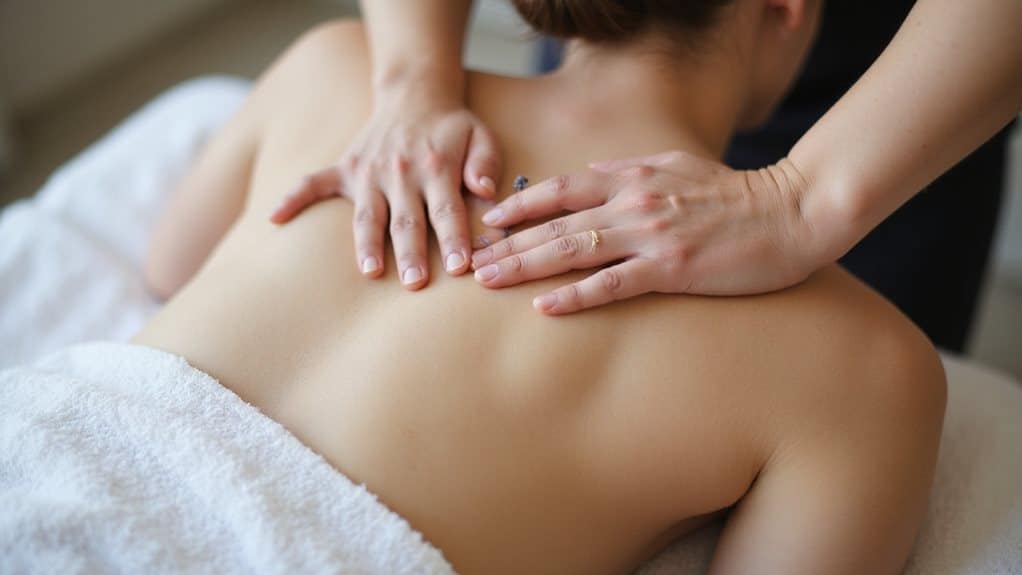

Massage therapy treats persistent soft tissue pain, and practitioners apply specific physical pressure to your body. Because human bodies react differently to touch, qualified providers adapt their clinical treatments for your specific needs. Physical manipulation actively supports your body during the natural healing process. These are some different types of techniques that can address pain:
Swedish Massage
Swedish techniques utilize long flowing strokes across the body, and these deliberate movements aim to improve cardiovascular circulation. As your overall blood flow increases, the body naturally removes trapped metabolic waste products from tissues. This method promotes gentle physical relaxation for patients.
When therapists gently knead your muscle layers, joint flexibility may improve during the session. Rhythmic friction strokes target localized stiffness in your shoulders and lower back areas. The gentle approach suits completely new patients well, or it benefits highly sensitive individuals seeking mild relief. Because your physical comfort matters, you dictate the precise pressure levels applied throughout the session.
Medical Massage
Specific massage treatments may be prescribed by primary care doctors for injury recovery. If you experience a physical injury, this focused clinical therapy targets the affected area. The medical provider evaluates your current physical condition, and they carefully develop customized recovery protocols. This treatment aims to deliver measurable results for specific health conditions.
This specialized treatment offers several potential benefits, with a goal to:
- Reduce severe nerve compression safely and effectively
- Decrease localized tissue inflammation after physical trauma
- Improve joint range of motion for better mobility
- Alleviate chronic pain patterns in damaged muscle groups
- Support faster rehabilitation following major orthopedic surgeries
Myofascial Release
Fascia tightly surrounds your underlying muscles, and this strong connective tissue sometimes severely restricts daily movement. Sustained manual pressure safely stretches these tight networks across your body. Since therapists intentionally avoid massage oils here, they firmly grip the bare skin directly for better traction. This detects unusual tissue rigidity, and the practitioner addresses it directly.
While the physical stretching process may be slow at first, the tight fascia eventually yields to the pressure. The release aims to remove painful physical barriers, and patients quickly regain their normal muscular function. Lingering bodily pain can diminish after the fibrous tissue fully softens under the therapist’s hands.
Chronic pain patients may benefit from these specialized myofascial stretching techniques during their recovery. Practitioners locate specific painful trigger points, and they hold them firmly until the tension disappears. After the localized tension drops, your physical body can achieve much better structural balance for daily activities. This newly restored balance helps to prevent future muscular strain from developing in those areas.
Deep Tissue Techniques
Deep tissue massage aims to reach much lower muscle layers, and they safely break up internal scar tissue. Because therapists must use firm physical pressure, some mild muscle soreness may occur initially after treatment. These firm, deliberate manual strokes help heal old chronic physical injuries over several weeks.
Schedule Massage Therapy Today
Clinical massage is used to improve your daily physical comfort without relying entirely on strong medications. If you face persistent bodily pain, regular therapeutic sessions provide physical relief. Call a spine specialist clinic today, and they can book your initial assessment appointment. Begin the process of managing your physical pain and restoring your mobility.