

Heart arrhythmias affect how efficiently the heart beats and may lead to symptoms such as palpitations, dizziness, fatigue, or shortness of breath. While some rhythm changes may be harmless, others can signal an underlying heart condition that requires medical attention. Understanding heart arrhythmias and knowing when to consult a cardiologist can help patients seek timely evaluation and support for better long-term heart health. Here is more information on heart arrhythmias and when to see a cardiologist:
Identifying Arrhythmia Warning Signs
Recognizing the signs of an irregular heartbeat is fundamental for early diagnosis. Cardiologists categorize symptoms into distinct types and monitor these indicators closely. Here are key warning signs that may indicate an arrhythmia:
- Palpitations: You feel a fluttering or pounding sensation in your chest cavity.
- Rapid heartbeat: Your heart races quickly without any prior physical exertion.
- Slow heartbeat: Your pulse drops below the normal resting rate for an adult.
- Chest pain: You experience severe discomfort or physical tightness in the chest area.
- Dizziness: You feel lightheaded or unbalanced during your normal daily activities.
These specific symptoms require a professional medical review. A cardiologist will assess the physical signs, and the clinic will create a suitable treatment plan.
Learning the Possible Risks
Several physical factors increase the likelihood of developing an arrhythmia. High blood pressure strains the heart, and coronary artery disease restricts blood flow. When a patient has a history of heart attacks, the risk level rises significantly.
Daily lifestyle choices also impact your internal cardiovascular system. Smoking damages the blood vessels, and excessive alcohol consumption disrupts normal electrical pathways. If you review your daily habits, you can identify areas for improvement. Age and genetics also play a fundamental role in overall heart health. Older adults face a much higher risk, but young people can also experience these cardiovascular issues.
Seeking Timely Cardiology Care
Persistent physical symptoms require an evaluation by a qualified medical professional; you should schedule an appointment with a cardiologist. If your chest pain lasts for more than a few minutes, you must seek emergency care immediately.
A cardiologist possesses the technical tools to diagnose complex heart conditions. Preventive care is a key component of modern cardiovascular medicine. You can participate in a heart smart program, and the specialist will monitor your progress.
Preparing for Cardiac Evaluation
A clinical evaluation involves several diagnostic tests. The cardiologist reviews your medical history, and the staff measures your vital signs. When you arrive at the clinic, the team initiates a structured examination process. Here are some of the tests the cardiologist may recommend:
- Electrocardiogram (ECG): This standard test records the electrical signals in your heart.
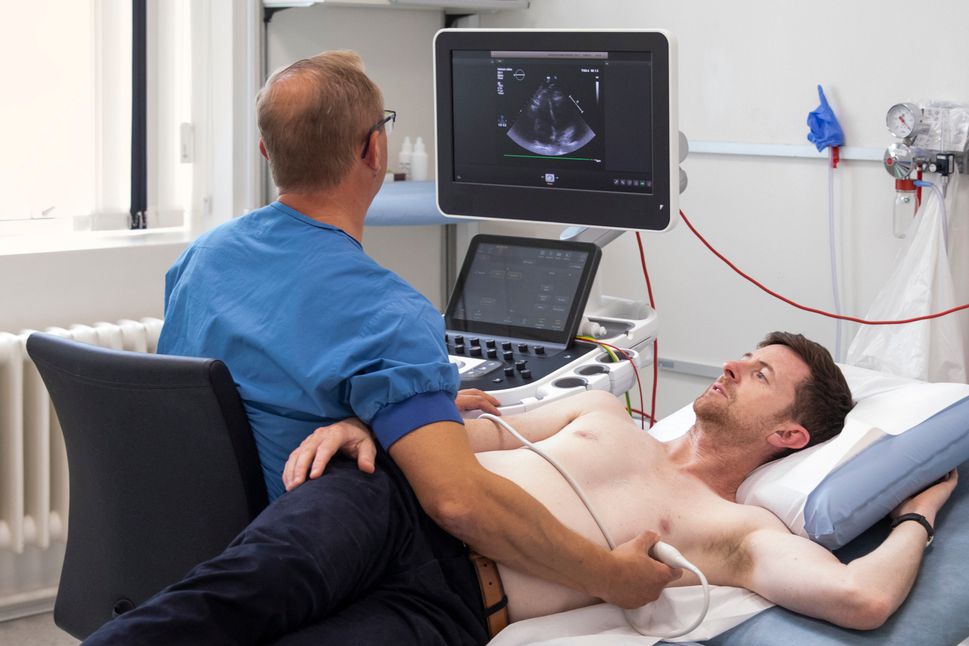
- Echocardiogram: High-frequency ultrasound waves are used to create detailed images of your heart structure.
- Stress Testing: The doctor monitors your heart activity during intense physical exercise.
The test results guide the doctor in forming a precise diagnosis. The specialist explains the medical findings, and the medical team discusses the next treatment steps.
Consult a Cardiologist Today.
An arrhythmia requires proper medical assessment and ongoing health management. Diagnostic tests such as echocardiograms and stress testing provide detailed insights into heart function and rhythms, enabling precise diagnoses. With these findings, your cardiologist can recommend tailored treatment plans to address your specific condition. Contact a qualified cardiologist near you to schedule your consultation today.