
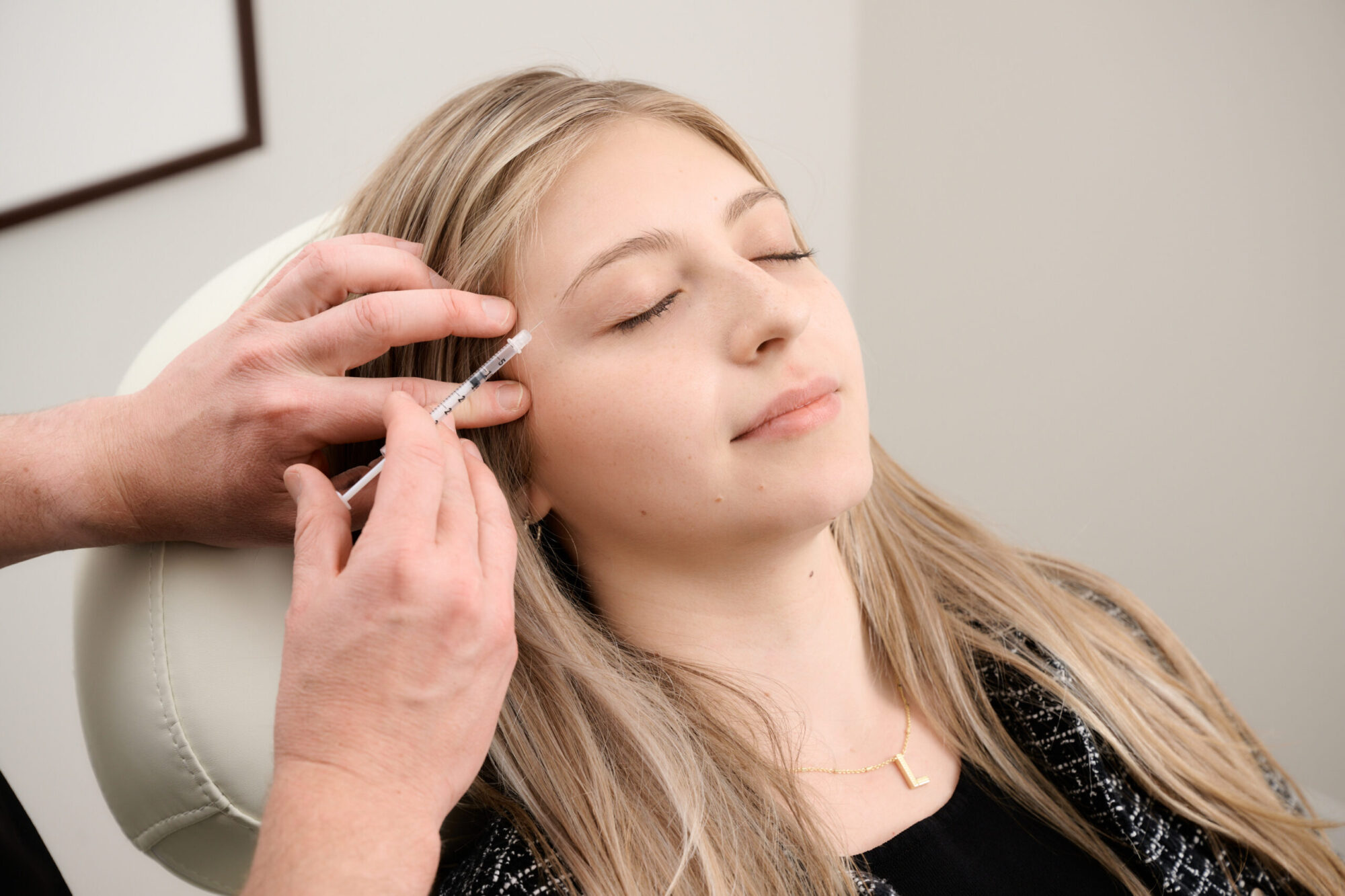

Botox is a cosmetic treatment that helps reduce the appearance of fine lines and wrinkles when administered by a qualified professional. Understanding the safety and efficacy of Botox can help individuals make informed decisions about treatment, expected results, and possible risks. Here are some key points to know about the safety and effectiveness of Botox:
How Does Botox Work?
Botox functions as an injectable medication that modifies nerve communication. The active neuromodulator temporarily freezes targeted muscles, and this prevents them from contracting. When the muscle stops moving, the skin above it relaxes and smooths out.
Providers primarily use Botox for the cosmetic treatment of wrinkles. The drug remains active in the local tissue, but it is eventually metabolized over a few months. The body breaks down the medication naturally, necessitating patients to return for subsequent injections to maintain its effect. Providers map the facial muscles carefully, and they select specific injection sites to produce the best outcome.
Is Botox Safe?
Clinical researchers classify Botox as a safe anti-aging treatment available today. Medical professionals have performed millions of procedures, and numerous clinical trials document the minimal risks involved. Any medical procedure carries some risk, but severe complications remain rare when trained professionals administer the drug.
Patients typically experience only mild and temporary side effects. After a session, a patient may notice light bruising, or they may experience minor swelling at the injection site. Make sure your provider evaluates your medical history before proceeding with treatment.
How Effective Is the Treatment?
Cosmetic Botox specializes in treating dynamic wrinkles caused by repeated facial expressions. You may develop crow’s feet from squinting or notice frown lines on your forehead. As you age and repeat these expressions, the creases on the skin become deeper.
While the Botox procedure is quite fast, the final visual results take a few days to appear. The resulting smooth skin typically lasts for three to four months. Once the medication wears off, the muscle activity resumes, and the dynamic wrinkles slowly return. Clinical efficacy relies heavily on the customized treatment plan developed during your consultation. A provider assesses your unique facial structure, and they determine the exact dosage required to achieve the desired effect.
Where Should Treatment Take Place?
You must select a qualified medical facility for your injectable treatments. Patients should seek board-certified dermatologists, and they should carefully evaluate the clinic’s credentials. When looking for a provider, look for the following clinical qualifications:
- Experienced medical doctors or certified physician assistants on staff.
- A clean and professional clinical environment.
- Clear communication regarding expected outcomes and potential risks.
- A comprehensive consultation process prior to treatment.
These clinical standards protect your health during cosmetic procedures. A reputable clinic prioritizes patient safety, and the staff answers all medical questions thoroughly. The providers also make sure you are comfortable before administering any medication.
Schedule Your Botox Appointment Today
Botox provides a well-researched method for reducing dynamic facial wrinkles. The medication temporarily modifies nerve signals to create a smooth skin surface. Contact a qualified dermatologist near you to schedule your Botox appointment today.