
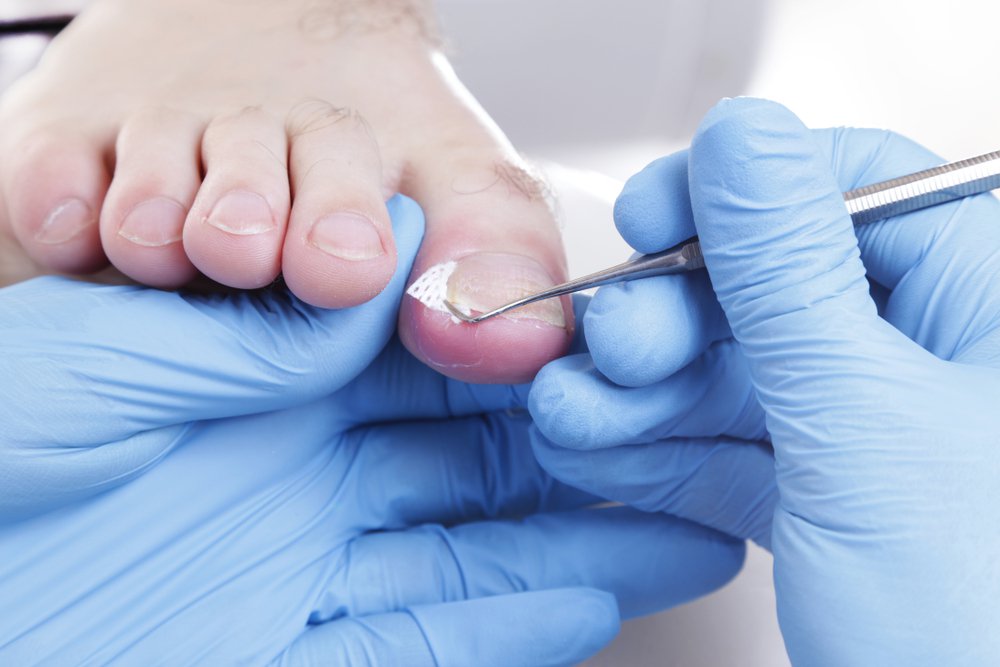

A foot specialist is a medical professional who diagnoses and manages conditions of the lower extremities, and they provide lasting relief for an ingrown toenail. An ingrown toenail occurs when the sharp edge of the nail pierces the surrounding skin. The toe may become red, swollen, and painful. While minor cases might resolve with at-home care, a specialist may need to intervene in severe cases to safely remove the problematic nail border, and they prescribe treatments to clear any lingering infection.
Understanding Ingrown Toenails
A foot specialist teaches patients about several daily habits contributing to nail problems. Wearing tight shoes compresses the toes together; the continuous pressure forces the nail to curve downward into the skin. Because improper trimming is one leading cause of ingrown nails, cutting the nails too short or rounding the edges creates a high risk for skin penetration.
Some individuals possess a genetic predisposition to curved nails. When the natural shape of the nail bed is excessively rounded, the nail naturally digs into the flesh as it grows. Trauma to the toe also alters nail growth, and dropping a heavy object on the foot can trigger this painful condition.
Treating Ingrown Toenails
Before you seek medical intervention, you can try a few basic strategies at home. Soaking the affected foot in warm, soapy water reduces swelling, and it provides temporary pain relief. Soak the affected foot for 10 to 20 minutes and dry the foot thoroughly after each soak.
Applying a mild over-the-counter antibiotic ointment prevents minor surface infections; covering the toe with a clean bandage helps protect it from further friction. Because tight footwear aggravates the tissue, wearing open-toed shoes or wide sandals during the healing process provides the toes with adequate space. Keeping feet clean and dry is a part of regular foot hygiene.
Seeking Professional Help
If home care does not achieve the desired result, a patient needs professional medical care. Schedule an appointment if the toe shows signs of severe infection, and these signs include severe redness, pus discharge, or a throbbing sensation. Diabetic individuals can seek immediate medical attention for any minor foot injury. Prompt attention to these wounds helps prevent worsening conditions like ulcers.
During an office visit, the doctor evaluates the severity of the condition; they determine the most appropriate course of action. For a mild case, the doctor might gently lift the nail edge. They may place a small piece of cotton underneath it to direct the nail’s growth above the skin. If the toe is severely infected, the doctor performs a minor surgical procedure to remove a portion of the nail. They numb the toe with a local anesthetic, and they extract the ingrown section.
Find a Foot Specialist Today
Ingrown toenails cause immense discomfort, but proper care can help resolve the issue. Improper trimming and tight shoes force the nail into the skin, and this leads to pain and swelling. While warm water soaks offer temporary relief, severe cases require professional intervention to remove the embedded nail and treat infections. Trimming nails straight across and wearing roomy shoes may help prevent the issue from returning. If you want to learn more about ingrown toenail prevention and treatment, consult a foot specialist near you.