
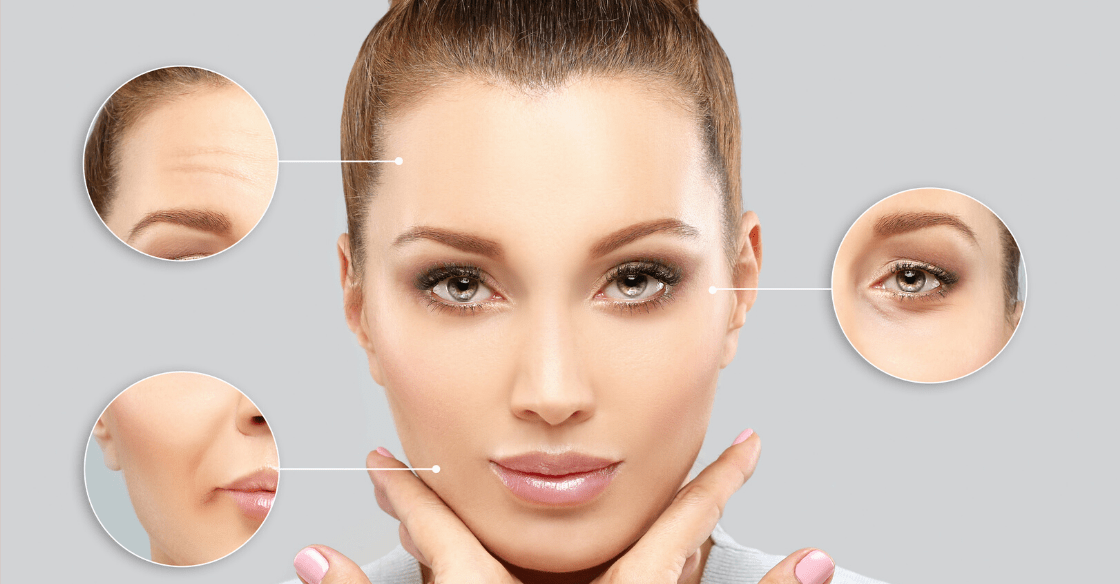

Botox is an effective facial rejuvenation procedure. This treatment targets specific muscle groups, and it reduces the appearance of dynamic wrinkles over time. Proper education helps individuals prepare, facilitating productive conversations with medical professionals. Here is more information on this treatment option and what areas it targets:
What Is Botox?
Botox is an injectable neuromodulator derived from botulinum toxin type A. Medical professionals use this substance in controlled doses, and it temporarily alters muscle function in targeted areas. Providers administer this product on various facial areas, providing a rejuvenated appearance.
How Does It Work?
The injection interrupts the chemical signals between nerves and muscles. This prevents the targeted muscle from contracting. When the muscle relaxes, the overlying skin smooths out, and the appearance of existing wrinkles diminishes. The localized effect prevents systemic distribution, so the surrounding untreated muscles maintain their normal function.
The targeted muscle remains relaxed for a temporary period, and it gradually regains movement as the neuromodulator metabolizes. Patients may notice the changes developing over several days, with the peak effect settling in at around two weeks. Regular maintenance sessions sustain the relaxation.
What Areas Does It Treat?
Practitioners primarily administer these injections to the upper face. This addresses common expression lines. Horizontal forehead lines may respond well to treatment, with injections between the eyebrows reducing the appearance of frown lines. Crow’s feet form around the outer corners of the eyes, and Botox effectively smooths this delicate skin.
Clinicians also use this product in the lower facial area to modify the jawline or correct a gummy smile. Neck bands sometimes require treatment, and precise injections relax these muscles. A provider may inject the masseter muscles, and this intervention helps slim the lower face while reducing jaw clenching.
Providers may also target small wrinkles around the mouth. The injection limits the pursing motion of the lips, and the surrounding skin smooths out. Medical professionals evaluate each patient’s facial anatomy to determine the exact injection sites for the desired outcomes.
What Does the Process Involve?
The procedure begins with a clinical consultation, and the practitioner assesses the patient’s medical history. The provider may examine the facial structure in motion. This assessment identifies the strongest muscle groups, dictating the exact placement of the product.
The provider cleans the treatment area, and they may apply a numbing cream to reduce discomfort. Using a fine needle, the clinician delivers precise amounts of the product into specific facial muscles. The entire injection phase takes about ten minutes. Patients typically resume normal activities immediately, but providers advise against rubbing the treated areas.
What Are the Benefits?
The primary advantage is the reduction of dynamic wrinkles, resulting in a smoother facial appearance. The treatment requires no surgical intervention, and the recovery period is minimal. Results last around four months. Repeated sessions maintain the desired cosmetic effect.
The injections do not permanently alter facial features. The effects fade completely if the patient discontinues treatment. Providers can adjust the dosage during subsequent visits, and this flexibility allows for a customized approach to facial aesthetics. Consulting a specialist helps determine whether this treatment is suitable for each situation, helping elevate a person’s appearance.
Consult a Specialist Today
Understanding the scope of this treatment helps patients make informed decisions and sets realistic expectations for results. A qualified provider will assess your specific needs, and they will design a tailored treatment plan for your facial structure. Schedule a consultation with a certified professional today to achieve your cosmetic goals.