
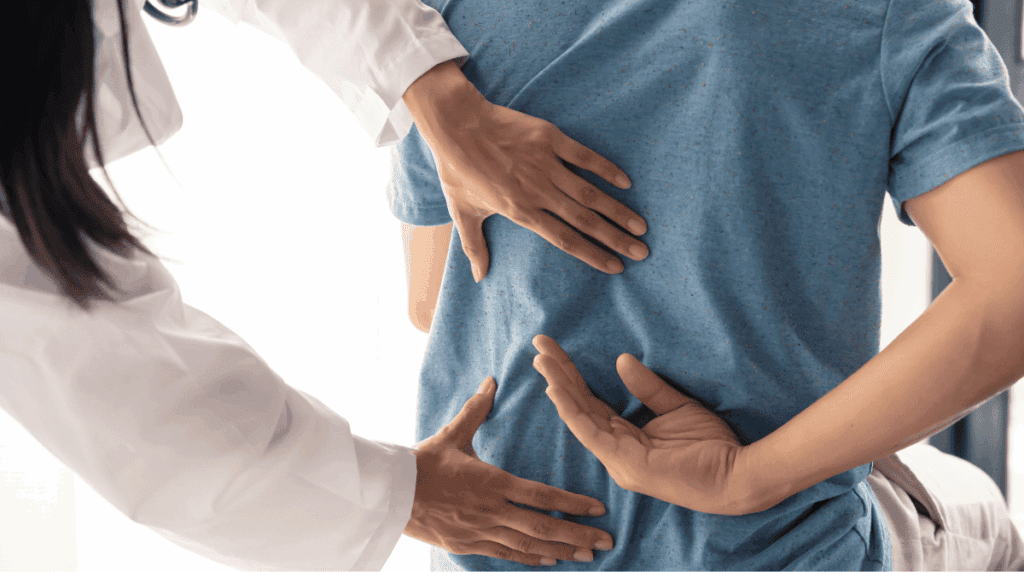

Sports injuries affect athletes and active individuals, and they can occur during rigorous physical activity. Because games demand peak effort, they lead to strains, sprains, and spinal problems. Back injuries are a typical concern in active lifestyles, but a clear understanding of biomechanics provides direction for recovery. Here is more information about the biomechanics of back pain and treatments for it:
Misaligned Discs
Your spine contains discs that cushion and absorb shocks when you move. These discs act as a buffer between vertebrae, supporting everyday motions. When a sudden or powerful force hits the body, a disc may slip out of position. The misaligned disc might press against nearby nerves, and pain usually follows quickly. In some cases, a doctor uses exams and imaging tools such as an MRI or CT scan to pinpoint the exact location and cause.
Mechanical Overload
Lifting heavy weights or performing repeated motions increases pressure on the lower back. Muscles compensate for the load for a while, but eventually reach a breaking point if the force gets too high. When the mechanical load exceeds what the body can manage, tissues and fibers may tear. You may feel immediate discomfort and sharp pain at the moment this happens.
Over the weeks and months that follow, repeated activity without rest causes small sports injuries known as micro-tears. While each tear is minor, the damage adds up quickly, and recovery slows. Rest gives your body a chance to heal, yet a lack of rest can lead to worsening symptoms. Using safe lifting techniques during any strenuous activity protects against breakdowns like these.
Vulnerable Tissues
Some tissues in the back are more likely to sustain injury due to their structure and role. Soft tissues, such as muscles and ligaments, do not have strong protection against forceful impacts.
Here are specific areas at risk:
- Lower back muscles
- Spinal ligaments
- Tendons near the pelvis
These areas stretch constantly during movement, and repetitive use puts them under greater strain. To protect vulnerable tissues, people need time for rest, recovery, and gentle movement. Allowing tissues to recover after intense activity reduces ongoing discomfort.
Orthopedic Treatments
Doctors review the spine with detailed exams before deciding on a treatment approach. X-rays help show bone health, while MRI scans reveal soft tissue injuries or nerve involvement. They look for patterns in pain and movement to understand root causes. A precise diagnosis, guided by these images and your symptoms, shapes the treatment plan.
Physical therapy helps rebuild muscle strength around the affected spinal segment. Patients perform exercises selected for their specific needs, and this guided movement supports gradual improvement. As muscle support improves, stability increases, and function slowly returns. Rest alone typically doesn’t lead to recovery from a mechanical back injury.
In cases of severe damage, direct surgical repair may be recommended by the doctor. Surgeons focus on fixing broken or misaligned structures with as little disruption to tissue as possible. Recovery from surgery requires several months of commitment and monitoring for complications. Physical therapy resumes once healing allows, and patients typically follow a strict routine to promote safe progress.
Get Treated for Sports Injuries
Back pain resulting from sports injuries requires careful medical evaluation for a safe recovery journey. If you choose to ignore worsening symptoms, existing damage may increase over time and interfere with movement. Find a healthcare provider near you, and schedule an evaluation if you have back pain after intense activity. Reach out for support, as timely treatment and advice make a meaningful difference in managing recovery.