
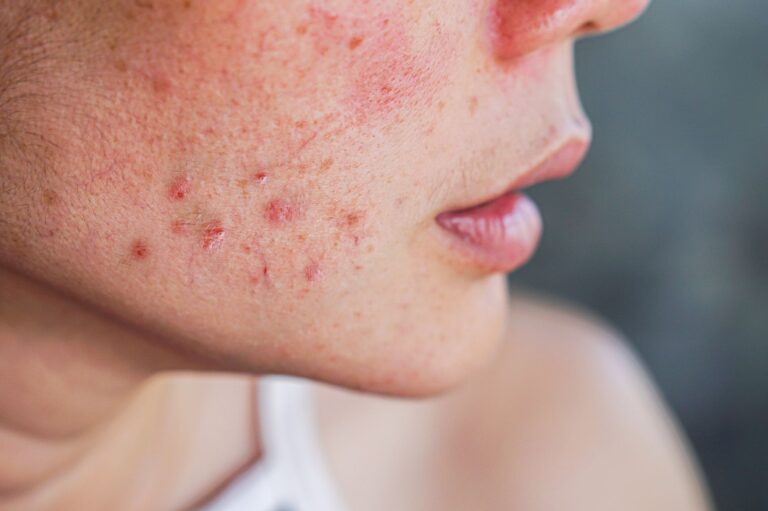

Acne is a common skin condition, one that affects many people. It can appear as pimples, whiteheads, or blackheads. More severe forms include cysts and painful bumps. Understanding your options is the first step toward finding relief, so find treatment today.
Functions of Medications
Medications are a primary tool for managing acne, since they work in different ways to address the root causes. Some topical treatments are applied directly to the skin, and they help reduce oil and unclog pores. These options may cause dryness, redness, or mild irritation as your skin adjusts. Oral medications may be prescribed for more persistent acne. Oral antibiotics may be used to help manage inflammation, and oral contraceptives can sometimes be recommended to help regulate hormones. Isotretinoin is intended for severe or resistant cases, and it is usually prescribed by a specialist.
These oral medications can have side effects, including increased sensitivity to sunlight. Your doctor will closely monitor your treatment and adjust the plan as needed. Understanding the intended purpose and possible risks of each medication helps you make informed decisions. Regular communication with your healthcare provider keeps the treatment safe and suitable for your skin type. Your doctor will use what is appropriate for you, so following their professional guidance is recommended.
Advantages of Injections
Corticosteroid injections can be used for certain types of acne. These are offered for large, painful bumps, such as cysts and nodules. A healthcare provider injects a small amount of corticosteroid medication directly into the blemish using a fine needle. Most patients report only mild discomfort during the process, and downtime is typically minimal. Corticosteroid injections are not meant for everyday use or for treating regular acne breakouts. Use of these injections is limited due to possible side effects, such as skin thinning or, in rare cases, discoloration at the injection site. Your healthcare provider will determine if this treatment is suitable for your situation. Your doctor may recommend injections alongside other treatments when appropriate.
Changes to Lifestyle
It is helpful to avoid oily or greasy substances on your skin, including certain types of makeup and hair products, as they may clog pores. Wash your face gently. Overwashing or scrubbing harshly is not recommended, as it could increase inflammation or dryness. Managing stress is recommended to reduce acne. Maintaining a balanced diet with fruits, vegetables, and whole grains is a good practice, so ask your provider about your diet. Changing pillowcases and towels regularly and avoiding picking at blemishes may help prevent irritation. Keeping your hands away from your face can also minimize additional contact with your skin. While medications address symptoms, maintaining a steady routine supports ongoing skin care. These practical steps are part of a well-rounded approach to managing acne.
Treat Your Acne Today
Managing acne often requires a combination of approaches. Medications, targeted treatments, and supportive lifestyle habits all play a part. If you are struggling with acne, professional guidance can help you navigate your options. Consult with a skincare professional, and create a personalized treatment plan.