
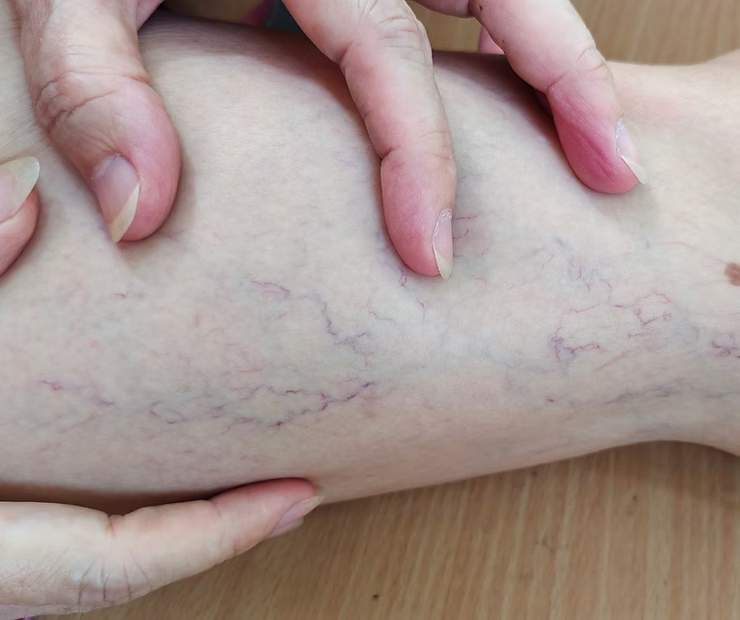

Spider veins are thin, web-like lines that appear on the skin, and they develop when small veins become damaged or weak, and blood pools near the skin surface. You might notice them as blue, purple, or red lines that branch out in small clusters. Even though they typically do not hurt at first, ignoring these veins often leads to more serious concerns later. Here is more information about early intervention for spider veins:
Preventing Progression
These damaged blood vessels typically start small, and they may not seem like a big issue at first. When pressure builds inside the veins, the problem spreads, and these vessels expand further. You might see additional areas affected as healthy veins are forced to take on extra strain, eventually resulting in more visible veins.
Taking steps early helps prevent this progression. A doctor can treat the initial affected area, limiting damage to nearby veins, and this intervention helps protect the surrounding tissue and keeps cosmetic issues from growing. When you address the problem before it worsens, you spend less on care, and the treatment itself often feels less overwhelming.
Avoiding Serious Health Risks
Visible spider veins do not create immediate health dangers. Still, their presence suggests underlying circulation issues, and they may require attention from a medical professional. Through an evaluation, your doctor can spot hidden problems and give you a clear diagnosis, allowing for better planning in the future.
Sometimes, more serious conditions like deep vein thrombosis (DVT) can occur alongside spider veins. Blood clots in deeper veins disrupt normal circulation and may cause pain, swelling, or even more severe issues. Quick screening and early action make a difference, and doctors can detect these clots and get treatment started right away to lower the risk of complications.
If you choose to ignore this condition and any symptoms that show up, more severe effects may follow. In some cases, skin ulcers or sores form when blood pools and starves tissues of oxygen. Poor circulation worsens when left unchecked, but early detection may make ulcer formation less likely.
Enabling Less Invasive Solutions
Modern medicine provides a range of treatment options to manage spider veins, and they are effective, especially when identified early. If you seek care at an early stage, less invasive therapies are usually possible. Standard options include:
- Sclerotherapy injections
- Surface laser therapy
- Compression stocking therapy
These approaches are straightforward, and they require only minor changes to your regular routine. Waiting too long to address this type of vein typically results in the need for more complex treatments. To avoid this, acting sooner helps keep things simple and manageable.
Reducing Symptoms
Patients might have a sense of heaviness, discomfort, or aching in their legs toward the end of the day. While symptoms may be mild at first, they can start to interfere with movement or daily tasks. You may notice fatigue or swelling, particularly after standing or sitting for long periods. A quick intervention relieves this pressure, and your legs tend to feel lighter and more comfortable as a result. Living with frequent aches or feelings of restlessness is not something you need to accept.
Get Treated for Spider Veins
Spider veins do not go away without proper attention, and they may keep getting worse over time. It is a good idea to reach out for a professional evaluation if you notice new veins developing or if symptoms increase. Early action supports your quality of life and keeps future care more manageable. Reach out to a vein specialist today to discuss your options, ask questions, and schedule a consultation tailored to your needs.