
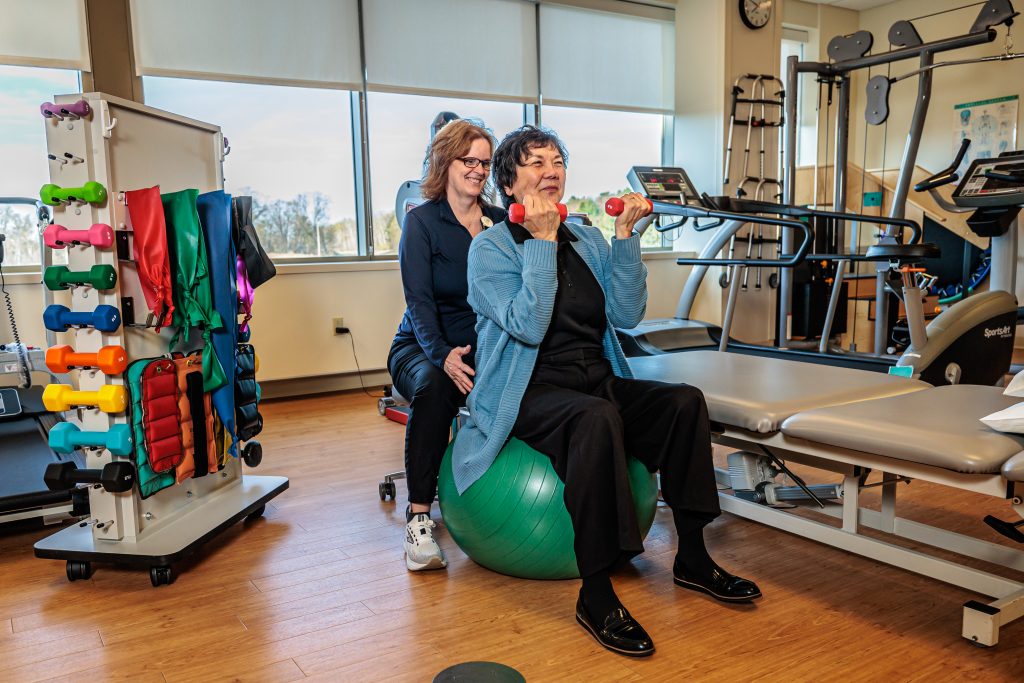

Sports medicine provides specialized healthcare for active individuals, and it focuses on the physical demands of exercise. Practitioners assess patients with physical complaints and develop targeted treatment plans for recovery. This field of medicine addresses various physical conditions, with patients receiving structured care and guidance. Here is more information on the benefits of this medical specialty:
What Is Sports Medicine?
Sports medicine is a branch of healthcare that focuses on physical fitness and the treatment of exercise-related injuries. Medical professionals in this field evaluate joint mechanics and assess muscle strains following physical exertion. The primary objective is functional restoration. Providers use clinical assessments to diagnose issues, and they monitor the patient’s recovery timeline.
What Are the Available Services?
Clinics offer diverse medical services, and they tailor these offerings to the patient’s specific activity level. Diagnostic imaging helps identify structural damage. Providers use physical therapy to rebuild strength and prescribe specific exercises to improve flexibility, all of which help support tissue repair.
Providers may also deliver preventive services and conduct biomechanical assessments to correct movement flaws. A clinical evaluation often includes specific mobility testing. The services typically cover several areas of intervention:
- Orthopedic evaluations for joint pain.
- Physical therapy for muscle rehabilitation.
- Medication for pain relief.
Injections represent another available service, and clinicians use them to manage localized inflammation. The physician determines the appropriate intervention based on the diagnosis.
What Conditions Affect Athletes?
Active individuals experience specific physical conditions, and these issues often arise from repetitive physical stress. Tendonitis develops from overuse. Ligament sprains occur during sudden directional changes, and muscle contusions result from direct impacts, requiring clinical evaluation.
Osteoarthritis affects weight-bearing joints over time. Cartilage degradation causes localized pain, and it limits the patient’s range of motion. Stress fractures manifest after prolonged impact loading. Clinicians identify these structural deficits and implement rest protocols to facilitate healing.
What Are Sports Injuries?
Sports injuries are injuries that occur during athletic activities, and they fall into acute or chronic categories. Acute injuries happen suddenly from traumatic events. A patient may experience a dislocation or a complete ligament tear. These immediate injuries require prompt clinical intervention.
Chronic injuries develop gradually, and they result from cumulative stress on the musculoskeletal system. Patients may experience progressive pain during specific movements. A clinician evaluates tissue damage, and they assess the timeline of symptom progression. This classification dictates the treatment approach.
How Is Professional Care Beneficial?
Professional care delivers diagnostics, and it prevents the exacerbation of existing injuries. Self-treatment may lead to prolonged recovery times. A specialist identifies the anatomical issue and prescribes a medically sound rehabilitation protocol. This clinical oversight helps reduce the risk of re-injury.
Supervised rehabilitation may improve functional outcomes. Medical professionals track progress, and they adjust the treatment plan based on clinical markers. The targeted therapy addresses specific deficits, helping patients recover their mobility safely.
Consult a Specialist Today
Sports medicine provides structured management for physical ailments, and it supports the long-term health of active individuals. Professional evaluations identify the root cause of pain. You can receive a customized rehabilitation plan and resume your physical activities safely. Schedule a consultation with a sports medicine physician to discuss your current physical condition.